Explore Blog Posts
Stay ahead in the legal world with our regular updates and expert analysis on current legal developments.
View All Blog Posts
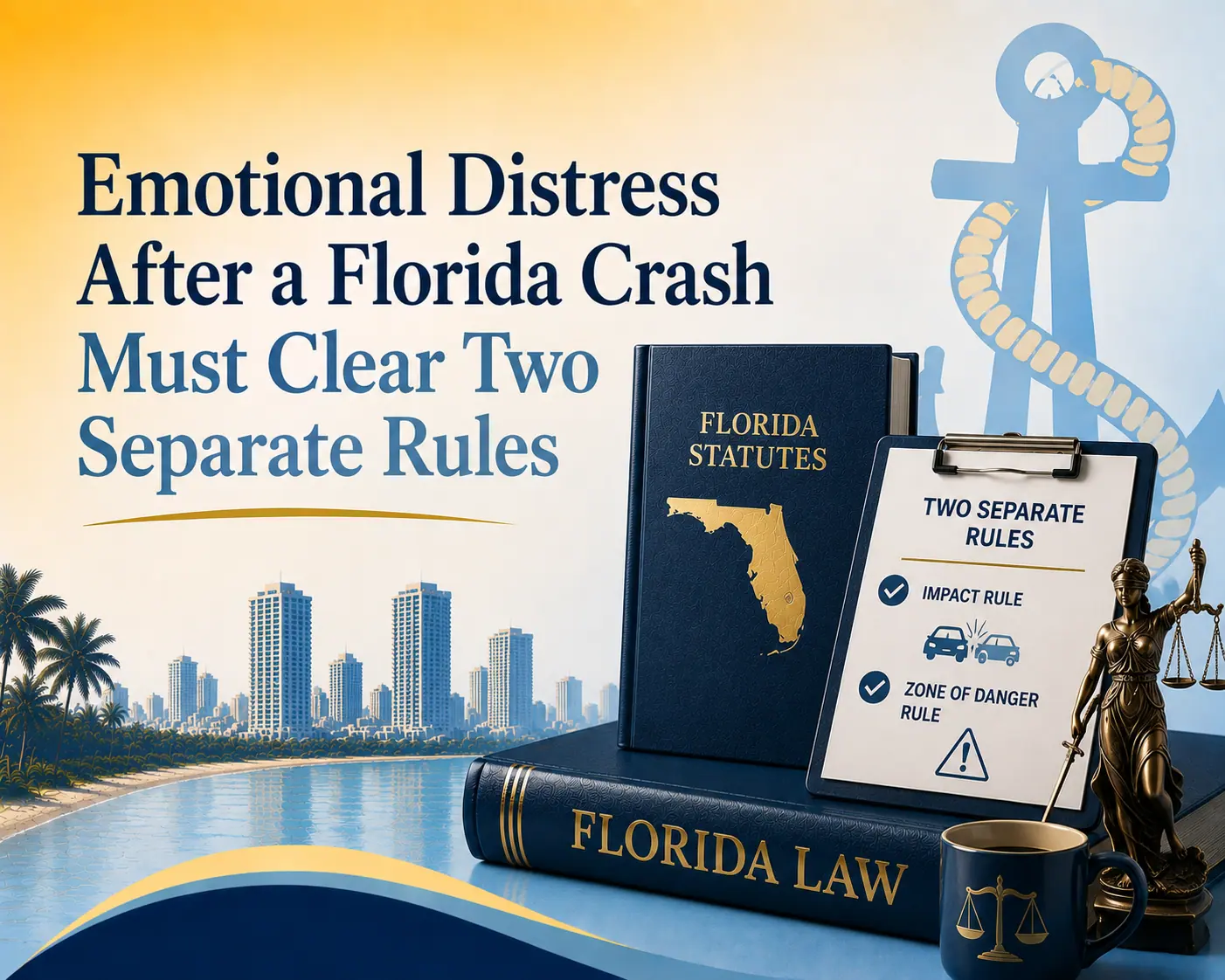
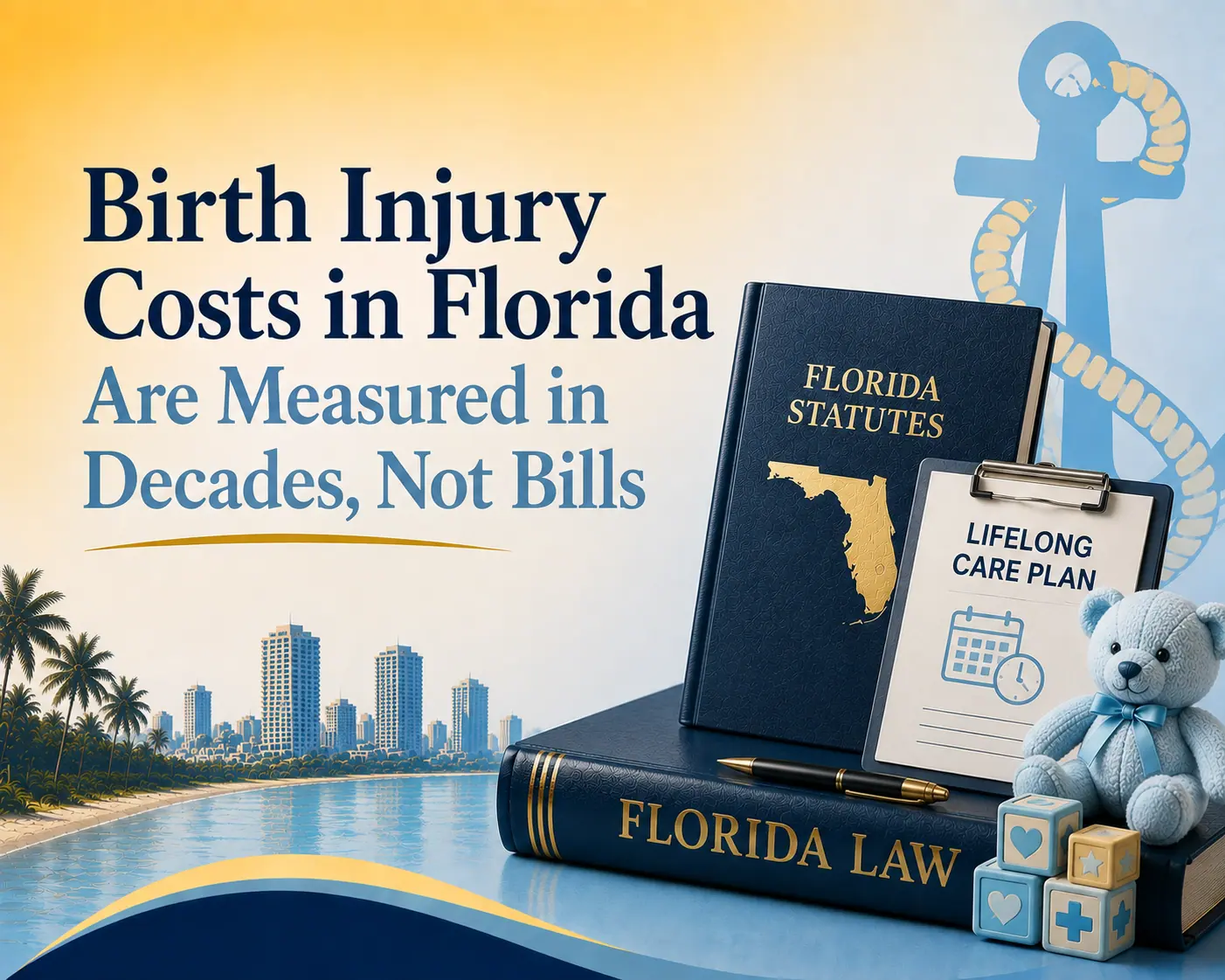
People who walk away from a serious crash with no broken bones often describe the aftermath in the same terms: they cannot drive past the intersection, they wake at the sound of brakes, they have stopped taking the highway to work. That is a real injury, and Florida law recognizes it. What Florida also does, unlike most states, is put two entirely separate obstacles in front of it. One comes from the no-fault insurance statute and one comes from a century of common law, they are frequently confused with each other, and clearing one does nothing to clear the other. Almost every article written on this subject in Florida discusses one of them and never mentions the second.
Understanding which rule is doing the work in a given case is what makes the difference between a claim that is developed properly and one that is abandoned on bad advice.

Florida is still a no-fault state. Repeal bills reached the 2026 session and died in committee on March 13, 2026, leaving the personal injury protection system and everything attached to it in place, including the rule that decides when non-economic damages become available at all.
Florida's impact rule is older than the no-fault system and answers a different question. The threshold asks whether an injury is serious enough. The impact rule asks whether an emotional injury is legally cognizable in the first place.
Running both gates against the same facts is the only way to see where a claim actually stands.
The impact rule constrains negligence claims. Where conduct was deliberate rather than careless, the analysis changes.
Emotional injuries are provable, but they are proven differently from a fracture, and the file has to be built deliberately.
Two general Florida rules operate on top of everything above and can reduce or eliminate a claim that clears both gates.
These come up whenever someone is trying to work out whether what they are experiencing counts.
The reason this question has an unsatisfying answer in Florida is that two independent doctrines have to be satisfied, and a person can be genuinely and permanently harmed while failing one of them.
Stay ahead in the legal world with our regular updates and expert analysis on current legal developments.
Real stories from injury victims across Florida who trusted us during some of the most difficult moments of their lives.
Get Legal HelpI want to share my experience with Scott Edgett and his team, because finding an attorney who truly stands with you is not something you come across often.What impressed me most was the way Scott took the time to understand me as a whole person. He did not treat my situation like something routine or transactional. He took time to learn what I valu...
Camille S.
Truck Accident Client
Exceptional from start to finish. Scott and his whole team were patient, prepared, communicated clearly throughout the process, and delivered a result that exceeded our expectations. You can tell they genuinely care about their clients. I couldn't recommend them more highly.
Jack T.
Car Accident Client
Scott and his team of lawyers are truly outstanding. They were always available during difficult times, answering our calls at virtually any hour of the day or night. Their dedication and diligence in handling our family case went above and beyond, working tirelessly to ensure complete client satisfaction. I cannot fully express my gratitude in wor...
Andrei H.
Wrongful Death Client
A coworker used Mr. Edgett services and a situation came up that she need answers asap. I was very impressed on how he kept responding back to her multiple times until this issue was resolved. To me it shows he's compassionate and understood what was needed and he was able to assist her.
AL F.
Slip and Fall Client
This law firm helped me get through a lot and I will forever be grateful to them! I always refer friends and family. Tonya was very helpful! They truly care for their clients. 10/10
Gabriel F.
Motorcycle Accident Client
Mallory was super helpful through a very tough process regarding my family. Amy was also very sweet and professional. Although we did not actually end up needing to hire them, they really helped us understand everything we were going through and gave us great advice! I’d definitely recommend this law firm to my friends and family.
Rochelle B.
Catastrophic Injury Client
I highly recommend attorney Scott Edgett law firm to any parent or family member seeking legal representation. They treated us like family and genuinely cared about our well being and daughters best interests throughout the entire process
Sergio g.
Catastrophic Injury Client
I trust this law firm so much! Their services are great!! Scott is AMAZING! The most professional and honest place I’ve been to. I would recommend to everyone!
Marlene F.
Catastrophic Injury Client
I want to share my experience with Scott Edgett and his team, because finding an attorney who truly stands with you is not something you come across often.What impressed me most was the way Scott took the time to understand me as a whole person. He did not treat my situation like something routine or transactional. He took time to learn what I valu...
Camille S.
Truck Accident Client
Exceptional from start to finish. Scott and his whole team were patient, prepared, communicated clearly throughout the process, and delivered a result that exceeded our expectations. You can tell they genuinely care about their clients. I couldn't recommend them more highly.
Jack T.
Car Accident Client
Scott and his team of lawyers are truly outstanding. They were always available during difficult times, answering our calls at virtually any hour of the day or night. Their dedication and diligence in handling our family case went above and beyond, working tirelessly to ensure complete client satisfaction. I cannot fully express my gratitude in wor...
Andrei H.
Wrongful Death Client
A coworker used Mr. Edgett services and a situation came up that she need answers asap. I was very impressed on how he kept responding back to her multiple times until this issue was resolved. To me it shows he's compassionate and understood what was needed and he was able to assist her.
AL F.
Slip and Fall Client
This law firm helped me get through a lot and I will forever be grateful to them! I always refer friends and family. Tonya was very helpful! They truly care for their clients. 10/10
Gabriel F.
Motorcycle Accident Client
Mallory was super helpful through a very tough process regarding my family. Amy was also very sweet and professional. Although we did not actually end up needing to hire them, they really helped us understand everything we were going through and gave us great advice! I’d definitely recommend this law firm to my friends and family.
Rochelle B.
Catastrophic Injury Client
I highly recommend attorney Scott Edgett law firm to any parent or family member seeking legal representation. They treated us like family and genuinely cared about our well being and daughters best interests throughout the entire process
Sergio g.
Catastrophic Injury Client
I trust this law firm so much! Their services are great!! Scott is AMAZING! The most professional and honest place I’ve been to. I would recommend to everyone!
Marlene F.
Catastrophic Injury Client
I want to share my experience with Scott Edgett and his team, because finding an attorney who truly stands with you is not something you come across often.What impressed me most was the way Scott took the time to understand me as a whole person. He did not treat my situation like something routine or transactional. He took time to learn what I valu...
Camille S.
Truck Accident Client
Exceptional from start to finish. Scott and his whole team were patient, prepared, communicated clearly throughout the process, and delivered a result that exceeded our expectations. You can tell they genuinely care about their clients. I couldn't recommend them more highly.
Jack T.
Car Accident Client
Scott and his team of lawyers are truly outstanding. They were always available during difficult times, answering our calls at virtually any hour of the day or night. Their dedication and diligence in handling our family case went above and beyond, working tirelessly to ensure complete client satisfaction. I cannot fully express my gratitude in wor...
Andrei H.
Wrongful Death Client
A coworker used Mr. Edgett services and a situation came up that she need answers asap. I was very impressed on how he kept responding back to her multiple times until this issue was resolved. To me it shows he's compassionate and understood what was needed and he was able to assist her.
AL F.
Slip and Fall Client
This law firm helped me get through a lot and I will forever be grateful to them! I always refer friends and family. Tonya was very helpful! They truly care for their clients. 10/10
Gabriel F.
Motorcycle Accident Client
Mallory was super helpful through a very tough process regarding my family. Amy was also very sweet and professional. Although we did not actually end up needing to hire them, they really helped us understand everything we were going through and gave us great advice! I’d definitely recommend this law firm to my friends and family.
Rochelle B.
Catastrophic Injury Client
I highly recommend attorney Scott Edgett law firm to any parent or family member seeking legal representation. They treated us like family and genuinely cared about our well being and daughters best interests throughout the entire process
Sergio g.
Catastrophic Injury Client
I trust this law firm so much! Their services are great!! Scott is AMAZING! The most professional and honest place I’ve been to. I would recommend to everyone!
Marlene F.
Catastrophic Injury Client
I want to share my experience with Scott Edgett and his team, because finding an attorney who truly stands with you is not something you come across often.What impressed me most was the way Scott took the time to understand me as a whole person. He did not treat my situation like something routine or transactional. He took time to learn what I valu...
Camille S.
Truck Accident Client
Exceptional from start to finish. Scott and his whole team were patient, prepared, communicated clearly throughout the process, and delivered a result that exceeded our expectations. You can tell they genuinely care about their clients. I couldn't recommend them more highly.
Jack T.
Car Accident Client
Scott and his team of lawyers are truly outstanding. They were always available during difficult times, answering our calls at virtually any hour of the day or night. Their dedication and diligence in handling our family case went above and beyond, working tirelessly to ensure complete client satisfaction. I cannot fully express my gratitude in wor...
Andrei H.
Wrongful Death Client
A coworker used Mr. Edgett services and a situation came up that she need answers asap. I was very impressed on how he kept responding back to her multiple times until this issue was resolved. To me it shows he's compassionate and understood what was needed and he was able to assist her.
AL F.
Slip and Fall Client
This law firm helped me get through a lot and I will forever be grateful to them! I always refer friends and family. Tonya was very helpful! They truly care for their clients. 10/10
Gabriel F.
Motorcycle Accident Client
Mallory was super helpful through a very tough process regarding my family. Amy was also very sweet and professional. Although we did not actually end up needing to hire them, they really helped us understand everything we were going through and gave us great advice! I’d definitely recommend this law firm to my friends and family.
Rochelle B.
Catastrophic Injury Client
I highly recommend attorney Scott Edgett law firm to any parent or family member seeking legal representation. They treated us like family and genuinely cared about our well being and daughters best interests throughout the entire process
Sergio g.
Catastrophic Injury Client
I trust this law firm so much! Their services are great!! Scott is AMAZING! The most professional and honest place I’ve been to. I would recommend to everyone!
Marlene F.
Catastrophic Injury Client
I want to share my experience with Scott Edgett and his team, because finding an attorney who truly stands with you is not something you come across often.What impressed me most was the way Scott took the time to understand me as a whole person. He did not treat my situation like something routine or transactional. He took time to learn what I valu...
Camille S.
Truck Accident Client
Exceptional from start to finish. Scott and his whole team were patient, prepared, communicated clearly throughout the process, and delivered a result that exceeded our expectations. You can tell they genuinely care about their clients. I couldn't recommend them more highly.
Jack T.
Car Accident Client
Scott and his team of lawyers are truly outstanding. They were always available during difficult times, answering our calls at virtually any hour of the day or night. Their dedication and diligence in handling our family case went above and beyond, working tirelessly to ensure complete client satisfaction. I cannot fully express my gratitude in wor...
Andrei H.
Wrongful Death Client
A coworker used Mr. Edgett services and a situation came up that she need answers asap. I was very impressed on how he kept responding back to her multiple times until this issue was resolved. To me it shows he's compassionate and understood what was needed and he was able to assist her.
AL F.
Slip and Fall Client
This law firm helped me get through a lot and I will forever be grateful to them! I always refer friends and family. Tonya was very helpful! They truly care for their clients. 10/10
Gabriel F.
Motorcycle Accident Client
Mallory was super helpful through a very tough process regarding my family. Amy was also very sweet and professional. Although we did not actually end up needing to hire them, they really helped us understand everything we were going through and gave us great advice! I’d definitely recommend this law firm to my friends and family.
Rochelle B.
Catastrophic Injury Client
I highly recommend attorney Scott Edgett law firm to any parent or family member seeking legal representation. They treated us like family and genuinely cared about our well being and daughters best interests throughout the entire process
Sergio g.
Catastrophic Injury Client
I trust this law firm so much! Their services are great!! Scott is AMAZING! The most professional and honest place I’ve been to. I would recommend to everyone!
Marlene F.
Catastrophic Injury Client
I want to share my experience with Scott Edgett and his team, because finding an attorney who truly stands with you is not something you come across often.What impressed me most was the way Scott took the time to understand me as a whole person. He did not treat my situation like something routine or transactional. He took time to learn what I valu...
Camille S.
Truck Accident Client
Exceptional from start to finish. Scott and his whole team were patient, prepared, communicated clearly throughout the process, and delivered a result that exceeded our expectations. You can tell they genuinely care about their clients. I couldn't recommend them more highly.
Jack T.
Car Accident Client
Scott and his team of lawyers are truly outstanding. They were always available during difficult times, answering our calls at virtually any hour of the day or night. Their dedication and diligence in handling our family case went above and beyond, working tirelessly to ensure complete client satisfaction. I cannot fully express my gratitude in wor...
Andrei H.
Wrongful Death Client
A coworker used Mr. Edgett services and a situation came up that she need answers asap. I was very impressed on how he kept responding back to her multiple times until this issue was resolved. To me it shows he's compassionate and understood what was needed and he was able to assist her.
AL F.
Slip and Fall Client
This law firm helped me get through a lot and I will forever be grateful to them! I always refer friends and family. Tonya was very helpful! They truly care for their clients. 10/10
Gabriel F.
Motorcycle Accident Client
Mallory was super helpful through a very tough process regarding my family. Amy was also very sweet and professional. Although we did not actually end up needing to hire them, they really helped us understand everything we were going through and gave us great advice! I’d definitely recommend this law firm to my friends and family.
Rochelle B.
Catastrophic Injury Client
I highly recommend attorney Scott Edgett law firm to any parent or family member seeking legal representation. They treated us like family and genuinely cared about our well being and daughters best interests throughout the entire process
Sergio g.
Catastrophic Injury Client
I trust this law firm so much! Their services are great!! Scott is AMAZING! The most professional and honest place I’ve been to. I would recommend to everyone!
Marlene F.
Catastrophic Injury Client
Injured In An Accident?
You Focus On Recovery. We'll Handle The Rest.

Fighting For Florida Injury Victims With Compassion, Experience, And Results.
Copyright © 2026 FloridaCAIL.com, All rights reserved.
Fighting For Florida Injury Victims With Compassion, Experience, And Results.
Phone
1-866-414-1111© 2026 Florida CAIL · Coastal Accident & Injury Law · All rights reserved.
Powered by AG InfoTech
Injured? We're available 24/7
1-866-414-1111